Why interior paint color looks different in bright Riverside light
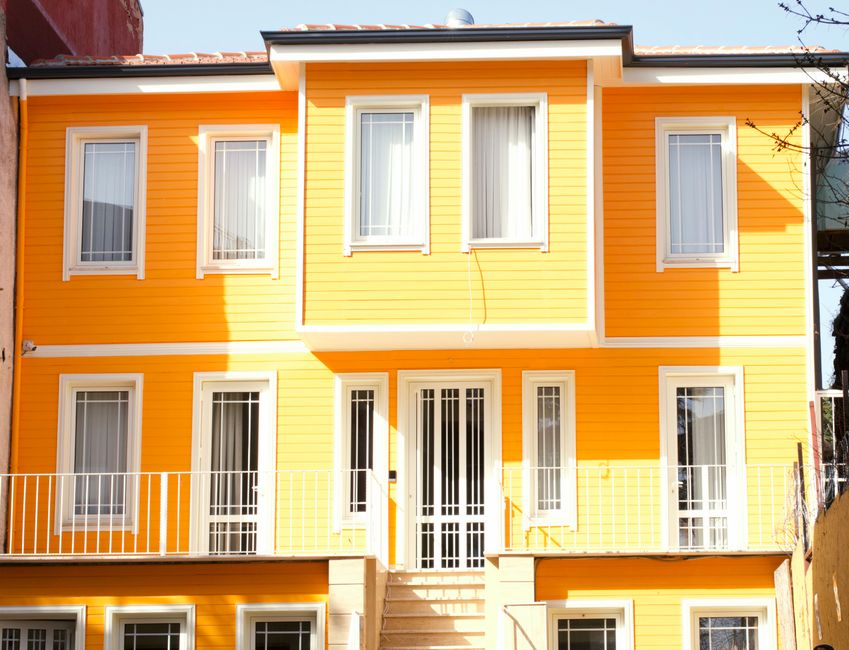
In a room with a west window and no overhang, the same wall can read as three different colors between morning and evening. Painting here is partly a matter of managing that, and the interior painting notes at riverside interior painting sbrick store (the sample boards, the sheen choices, the lighting checks) begin from it. A color chosen under store lights in Riverside, CA often looks a shade lighter and warmer on the wall once the afternoon sun hits it.
Sun angle changes the color
South and west rooms get strong, warm light that pulls beiges toward yellow and washes out pale grays. North rooms stay cool and flatten the same paint toward blue. The Inland Empire sun is high and hard for most of the year, so a color needs viewing at several times of day before a final choice.
Test on the wall, not on a chip
A small chip tells almost nothing. Paint a roughly two foot square sample on the actual wall, and a second one near the corner where two walls meet. Leave both up for a full day. Watch them in the morning, at noon and when the lamps come on at night.
Sheen shows in bright light
Sunlight sliding across a wall catches every roller track and patch. A flat finish absorbs most of that glare, while satin and semi gloss reflect it. For a room with large windows, flat or low eggshell on the walls hides far more flaws than satin does. Keep the higher sheens for trim and doors, where durability matters more than glare.
Roller marks and lap lines
Bright light also exposes uneven application. A roller with the wrong nap leaves texture, and a wall painted in sections shows overlap lines where the paint had started to set. Keep a wet edge, roll in full height strokes, and back roll any cut in areas so the brush texture melts into the field.
Direct sun on a wall during application is another problem. The surface dries before the paint levels, which leaves lap marks that no second coat fully hides. Close the blinds on the sunny side while the topcoat is going on.
Fading over time
Strong ultraviolet light slowly fades some pigments near windows, especially deep reds and certain blues. Good acrylic latex resists it better, but a wall beside a south window may still look a touch different from the shaded wall after a few years. Choosing slightly muted colors for sunny rooms keeps that change from being noticeable.