What a good interior paint job looks like when you inspect it
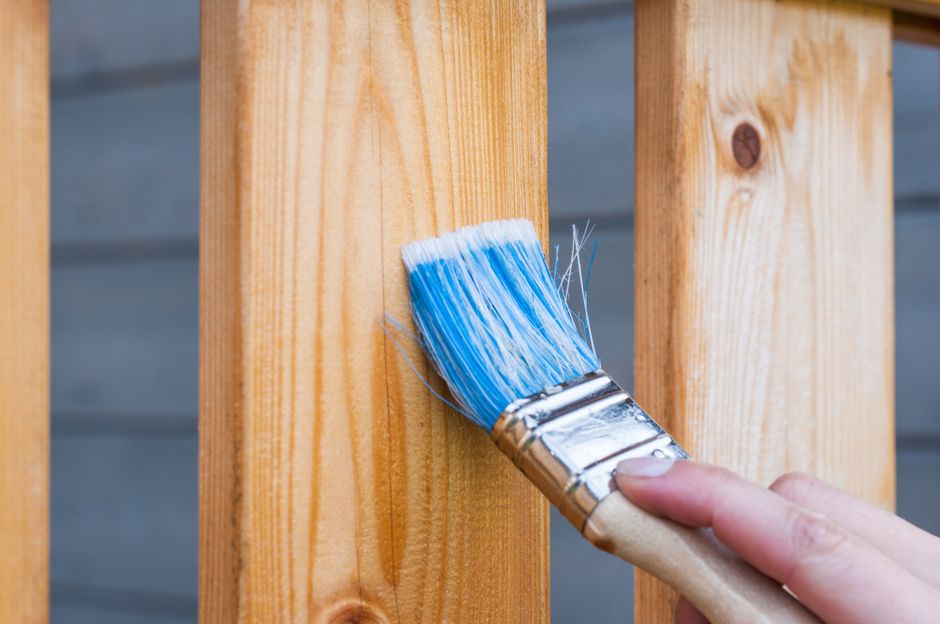
A room has four walls, a ceiling, and roughly forty feet of trim, which is why two painters on a bedroom still need most of a day. A sloppy job shows in the details, as the notes at riverside interior painting sbrick store describe for interior painting in Riverside, CA. Inspection takes about twenty minutes and needs only a bright light and a clear head.
Inspect in daylight and raking light

Look at each wall once in normal daylight and once with a flashlight held flat against the surface. The flat beam shows missed patches, roller tracks, dust nibs and drips. The inspection works best before the furniture goes back, so touch-ups are easy.
Cut lines at the ceiling and trim
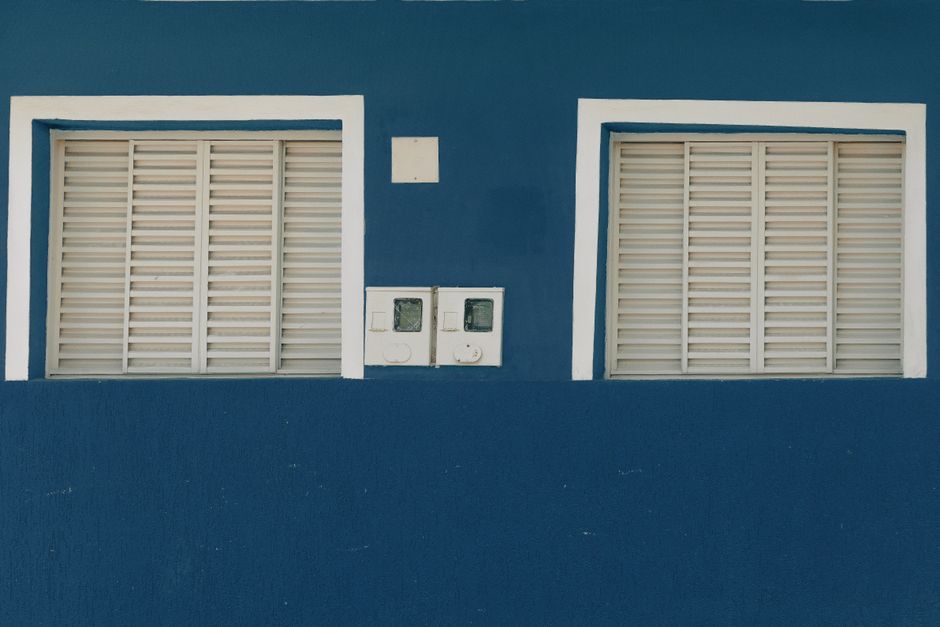
A good cut in line is straight and sharp with no wobble. It sits right at the edge of the trim or ceiling without creeping onto it. Run a finger along the edge, feeling for paint ridges. A ridge of dried paint on the trim means the painter skipped the tape or caulk step.
Caulk and gaps
Gaps between trim and wall should be filled with paintable caulk, smoothed, and painted over. Look at baseboard tops, window casings and crown molding. Open gaps collect dust and cast shadows, and they make the edge look rough. Caulk should be neat and tight, with nothing smeared on the wall.
Coverage and sheen consistency
The finish should be one even color and sheen from corner to corner. Patchy areas, flashing and shiny streaks suggest thin coverage or a missed back roll. Two coats are standard over a color change, and a full coat of primer is needed over new patching. Mil thickness is hard to measure by eye, so look for any place where the old color ghosts through.
Details people miss
Check inside closets, behind doors, above the door frames and along the top of the baseboard. Look for paint on hinges, outlets, window glass and floors. Switch plates should be off during the work and back on afterward. Hardware should look clean, not coated.
Choosing the painter
Ask which primer, topcoat and sheen are going on each surface, and how many coats. A good painter answers in specifics and walks the rooms before starting. Vague answers and a rush to begin usually predict thin prep and missed edges.